
Overview of US Green Card
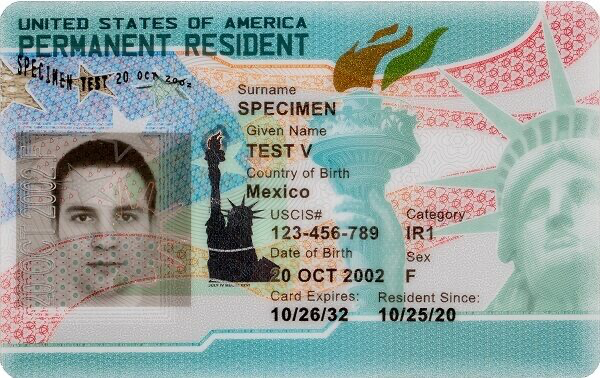
A Green Card, officially known as a Permanent Resident Card, is an identification document issued by the US government to a foreign national. Essentially, it grants the holder the status of a Lawful Permanent Resident (LPR), which means they have been authorized to:
- Live permanently anywhere in the United States.
- Work permanently in the US at any legal job of their choosing.
Key Points about the Green Card
- Permanent Status: It provides a permanent immigration status, unlike temporary visas, as long as the holder maintains their residency and abides by US laws.
- Path to Citizenship: Holding a Green Card is a crucial step for those who wish to eventually apply for US citizenship through naturalization (typically after living in the US for five years, or three years if married to a US citizen).
- Benefits: It grants many benefits, including the ability to sponsor certain family members for their own Green Cards, eligibility for some federal benefits (like Social Security after meeting work requirements), and flexibility to travel in and out of the US.
Obtaining a Green Card
A person can become a Lawful Permanent Resident in several immigration pathways, most commonly through:
- Family Sponsorship: Being sponsored by a US citizen or a current Green Card holder who is a close relative (spouse, parent, child, or sibling).
- Employment: Being sponsored by a US employer for a permanent job offer.
- Refugee or Asylee Status: Individuals granted refugee or asylee status can apply for a Green Card after one year.
- Diversity Immigrant Visa Program: A lottery program for nationals of countries with low rates of immigration to the US
The physical card itself needs to be renewed, typically every 10 years, but the status of being a Lawful Permanent Resident is valid indefinitely unless abandoned or revoked.